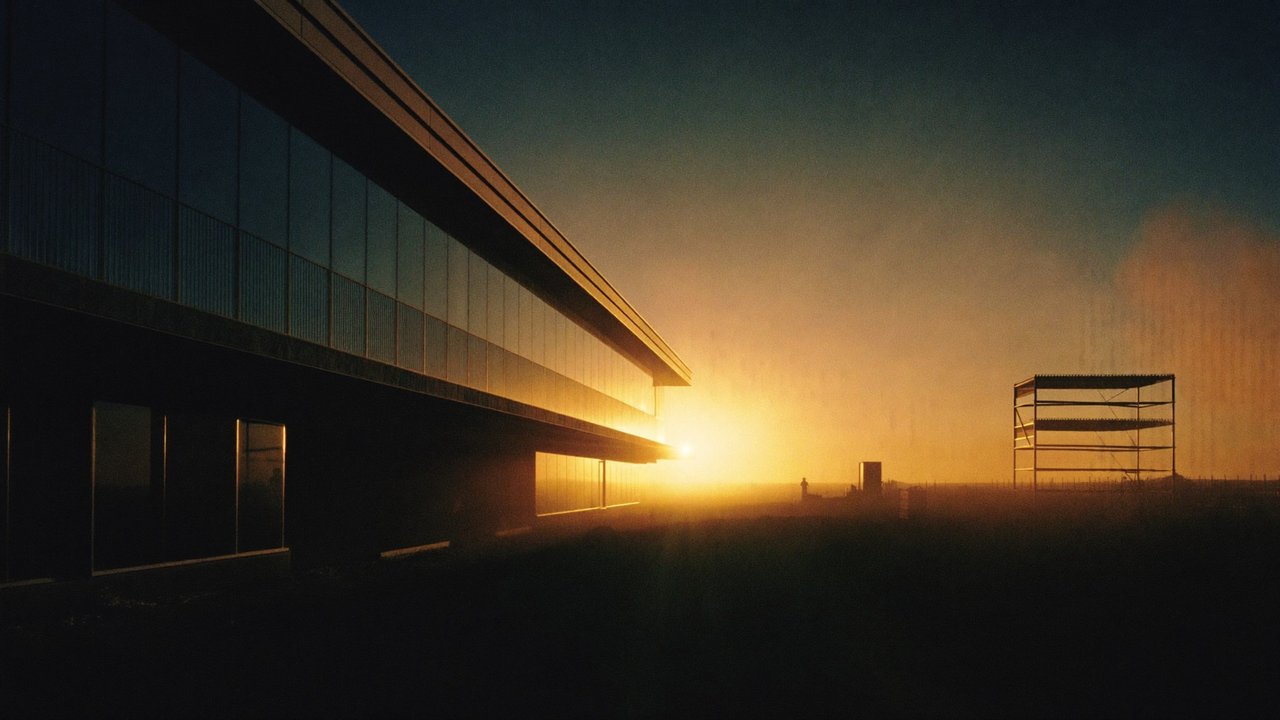
If you've sat through a development pitch in the last two years, you've seen what AI-enhanced renderings look like when they're done well. Empty plazas now have people walking through them. Overcast February skies have been replaced with golden-hour drama. Buildings that won't be finished for eighteen months look like they were photographed yesterday. The technology is real. The results are real. And the gap between honest use of it and overpromising is wider than most agencies will admit.
This is a working breakdown of what AI architectural visualization actually does, where it shines, and the specific places where human judgment still wins.
What AI Does Genuinely Well
Sky Replacement
The single highest-ROI enhancement for architectural photography. Construction-progress photos, exterior renders, and pre-leasing marketing shots are routinely taken in flat or weather-compromised conditions. AI sky replacement isolates the building, masks the sky region, and substitutes a plate that matches the lighting direction and time of day. When the source image's lighting matches the new sky, the result is indistinguishable from a shoot scheduled for the perfect afternoon.
People and Activity
Empty buildings read as cold. People in the frame — pedestrians on the sidewalk, a couple at an outdoor café, someone walking a dog past the entrance — read as life. AI population of architectural scenes has improved dramatically. Where two years ago figures looked dropped-in and uncanny, current models match light direction, scale, and ground contact reliably enough that most viewers don't even register the addition.
Lighting Activation
The trick that sells more units than anything else: turning a daylight rendering into a dusk shot with warm interior lights glowing through the windows. AI handles this transformation in a way that used to take a render artist a full day in post. Window-by-window light activation, ambient warmth, sky gradient blending, and reflective surface re-lighting are now a single-pass operation. For pre-leasing exteriors, this is the highest-impact AI use case in our pipeline.
Landscape and Context
Adding mature landscaping, street trees, and surrounding context to renderings of buildings that don't exist yet. AI does this far better than the procedural plugins built into render engines, and far faster than placing 3D plant assets manually. The catch is plausibility — see below.
Where Human Judgment Still Wins
Site-Specific Plausibility
AI doesn't know your project. It doesn't know that your downtown high-rise is across from a 1920s brick warehouse, not a glass tower. It doesn't know that the trees on your specific block are mostly oaks, not the generic palms it likes to default to. Architectural visualization that gets community approval has to be honest about context. AI gives you eighty percent of the way there fast — and the last twenty percent, where the image either reads as accurate or reads as marketing fluff, still needs an architect or visualization lead reviewing every plate.
Scale and Proportion
AI-generated people are sometimes too tall, too short, too sparse, or too dense for the actual program of the space. A retail courtyard rendered with a thin scattering of figures sells the project as quiet and considered. The same courtyard rendered with thirty figures sells it as a transit station. Get this wrong and your visualization undermines the program it's supposed to support.
Materiality
Specifying that the facade is fluted limestone is one thing. Showing fluted limestone correctly under raking afternoon light, with the shadow geometry that flutes actually produce, is another. AI tends to round the geometry of building materials. For schematic-stage marketing, that's tolerable. For a community-meeting visualization where the architect of record is being asked exactly which materials are being used and how they'll weather, AI alone is not sufficient. It augments the work; it doesn't replace it.
Truth in Marketing
This is the one nobody talks about. AI can make a project look better than it will actually look. Lighting that won't be installed. Tree species that aren't on the planting list. A weather-aged patina on a building that won't be completed for two years. There's a line between making the rendering as accurate as possible to the design intent and using AI to sell something that isn't being built. We hold our pipeline to the first standard. Not every shop does.
Where the Real Value Sits
The economic case for AI architectural visualization isn't replacing the high-end visualization studios. It's elevating the second tier — construction-progress photography, mid-stage marketing renders, leasing collateral, community presentations — to a quality level that previously required a full studio retouching budget. Our architecture case study walks through the cost compression on a recent commercial development portfolio.
For developers, the win is consistency: every leasing image, every press release shot, every investor deck render comes out at the same visual quality, regardless of when the source was captured. For architects, the win is speed: schematic-stage visualization that used to take a render artist three days now takes a person reviewing AI output for three hours.
The Honest Limit
AI doesn't replace the visualization process. It compresses it. The thinking — what story this image tells, who it's selling to, what the project actually is — still has to happen upstream. The pixels just get cheaper. That's a meaningful shift, and it's worth using. It isn't magic, and the agencies pretending otherwise are setting their clients up for surprise.
If you have a rendering set or a construction-photography catalog that needs to look like marketing rather than documentation, see our full architectural services or request a free sample edit on a single image. We'll process it and return a watermarked before/after — the fastest way to evaluate fit.